 Power Wheels Magazine A Notch Above

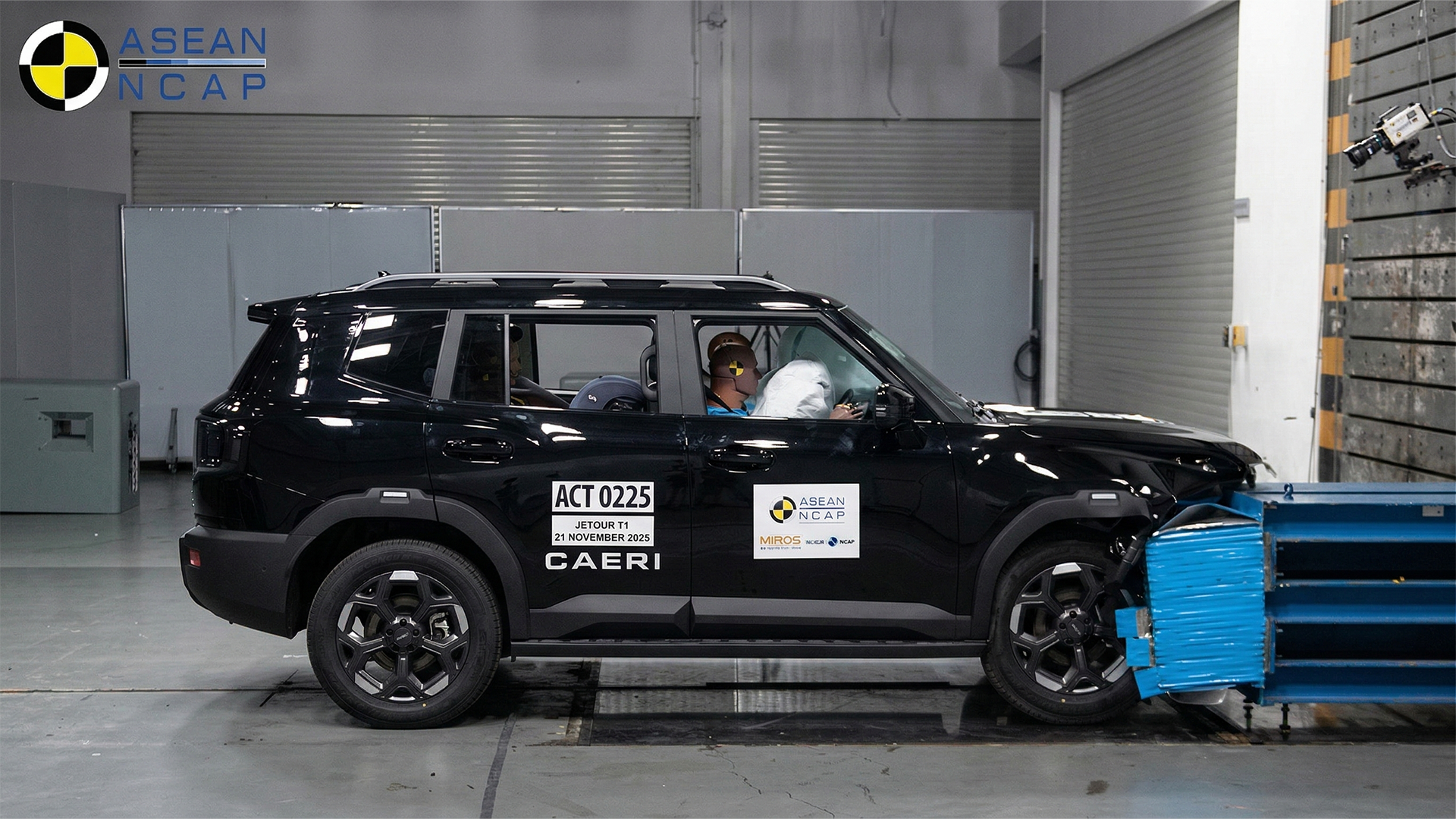
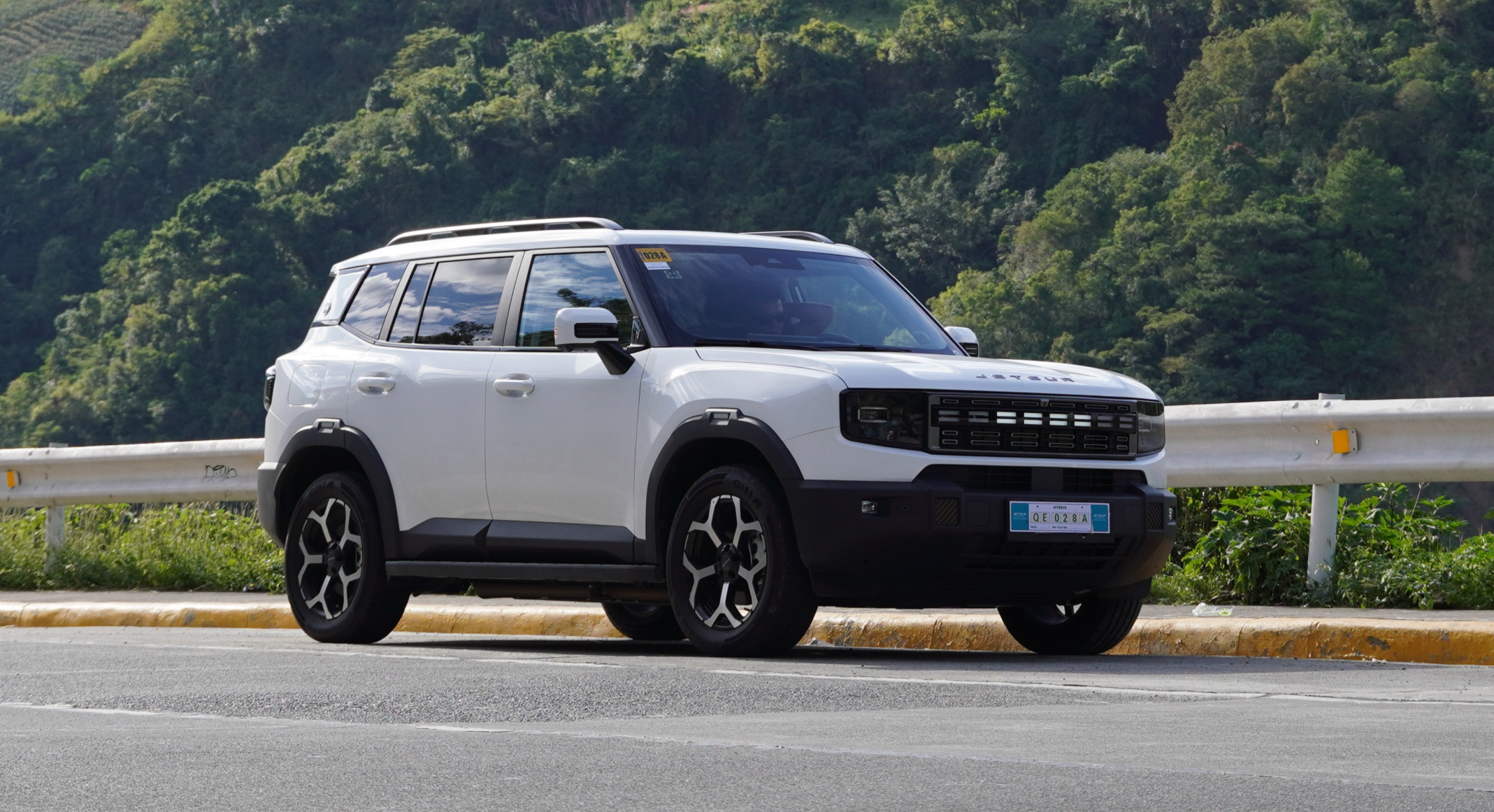
Following the recent announcement of the JETOUR T2 assessment, the New Car Assessment Program for Southeast Asian Countries (ASEAN NCAP) has completed its evaluation of JETOUR’s latest model, the all-new JETOUR T1. Like the T2, the T1 was assessed at the end of 2025, demonstrating JETOUR’s commitment to safety across its lineup.
The JETOUR T1 delivered impressive performance in the ASEAN NCAP assessment under the 2021–2025 protocol, earning a prestigious 5-Star rating with a total score of 87.67 points. This score was derived from four key assessment categories:
- Adult Occupant Protection (AOP): 38.09 points
- Child Occupant Protection (COP): 16.18 points
- Safety Assist (SA): 17.14 points
- Motorcyclist Safety (MS): 16.25 points
Comprehensive Safety Features
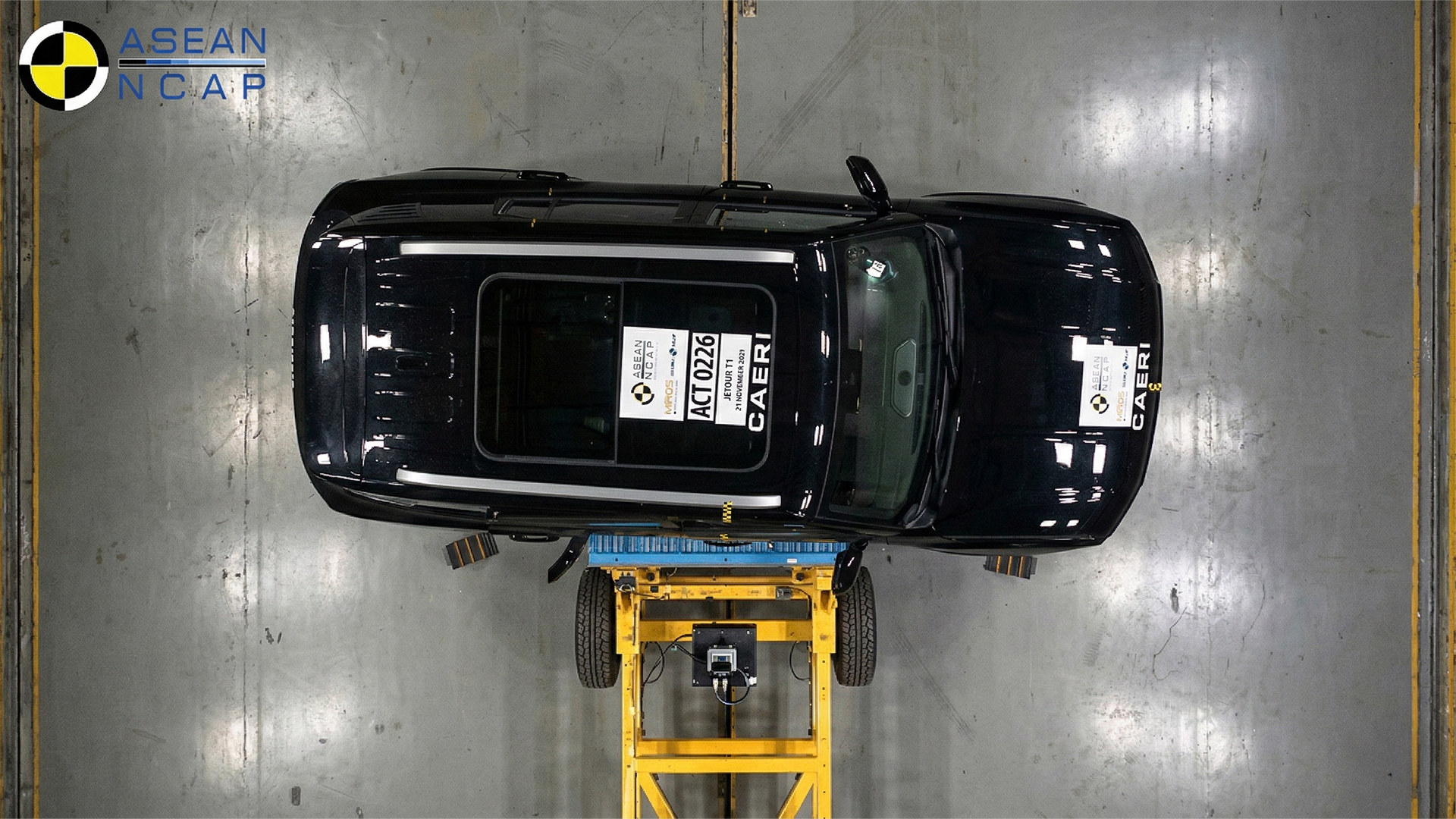
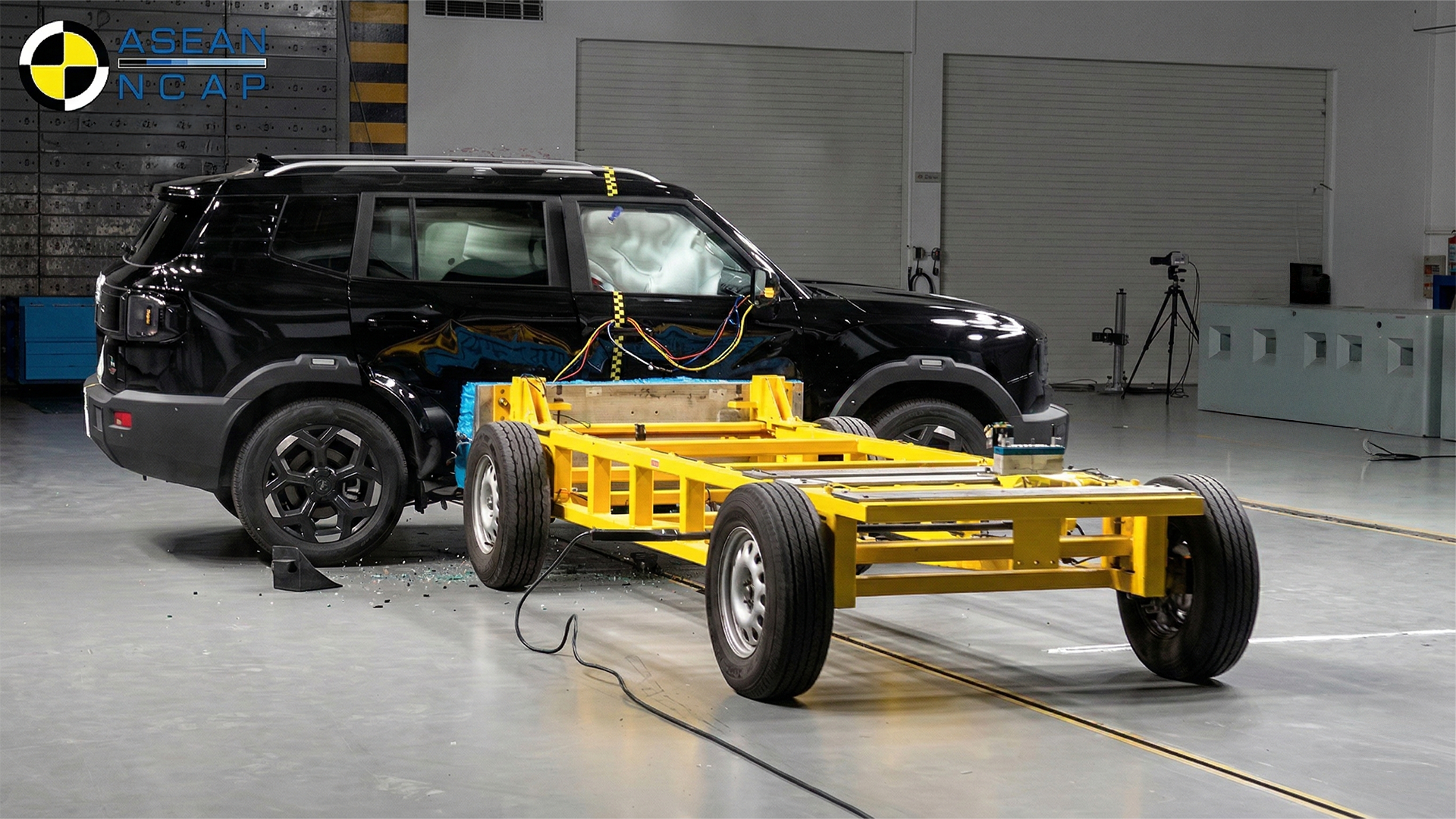
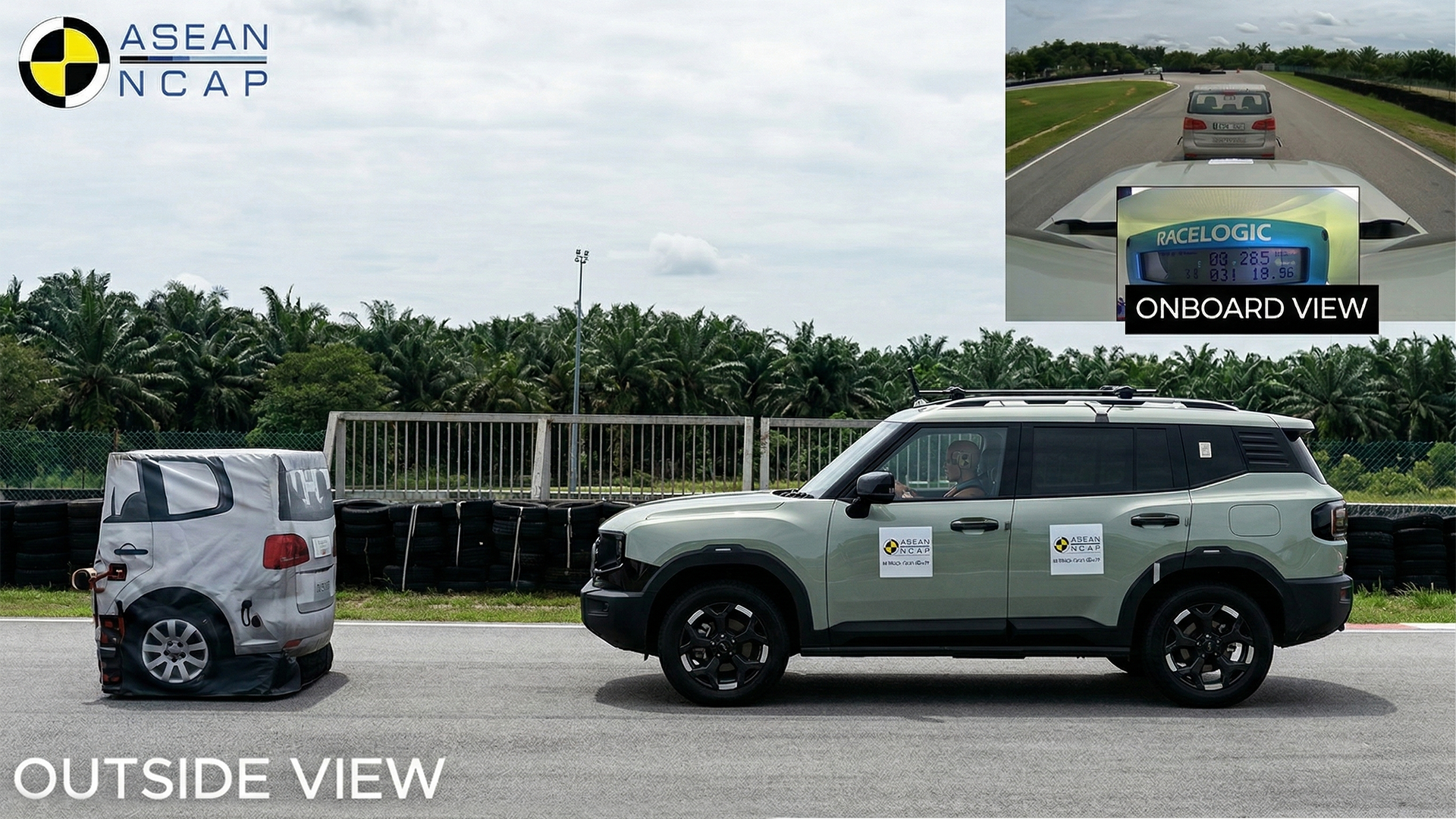
The T1’s safety package is standard across all variants, including six airbags, Electronic Stability Control (ESC), Anti-lock Braking System (ABS), Seatbelt Reminder System (SBR) for both front and rear occupants, rear seat detection, Child Presence Detection (CPD), ISOFIX anchors for child seats, Blind Spot Detection (BSD) for driver and front passenger sides, and Pedestrian Protection (PP). The rugged compact crossover SUV is also equipped with advanced safety technologies, including Autonomous Emergency Braking (AEB) — City, Inter-Urban, and Pedestrian — Lane Departure Warning (LDW), and Forward Collision Warning(FCW), Lane Keep Assist (LKA), Auto High Beam (AHB), and AEB for motorcycles as optional fitment.
A Testament to Safety and Innovation
ASEAN NCAP is pleased to have completed the evaluation of the JETOUR T1 ahead of schedule during the 2021–2025 protocol period. Following in the footsteps of its sister model, the T2, the T1’s outstanding safety rating confirms JETOUR’s dedication to integrating high-standard safety technology. As the latest addition to the JETOUR lineup, the T1 presents a compelling option for consumers seeking a rugged, adventurous vehicle in a more compact and maneuverable form. It is encouraging to see JETOUR uphold such high safety standards in smaller models, making safety accessible to a broader range of drivers.
We look forward to more JETOUR models entering the Southeast Asian market, equipped with essential safety innovations that prioritize consumer protection and peace of mind.
Assessment Protocol and Future Developments
The ASEAN NCAP 2021–2025 assessment protocol comprises four domains:
- Adult Occupant Protection (AOP): 40 points
- Child Occupant Protection (COP): 20 points
- Safety Assist (SA): 20 points
- Motorcyclist Safety (MS): 20 points
This assessment period has now concluded, and starting this year, evaluations will follow the new 2026–2030 protocol, which aims to raise safety standards further.
About ASEAN NCAP
ASEAN NCAP is a regional safety initiative launched through a partnership between MIROS (Malaysian Institute of Road Safety Research) and Global NCAP. It aims to enhance vehicle safety standards, raise consumer awareness, and promote the adoption of safer vehicle technologies across Southeast Asia. Supported by automobile associations from the Philippines, Singapore, Cambodia, and Thailand, ASEAN NCAP strives to foster a safer driving environment in the region.
Industry Perspectives
“Safety remains a top priority for Filipino car buyers, and this recognition reaffirms our confidence in the JETOUR brand,” said Miguelito Jose, Managing Director of JETOUR Auto Philippines Inc. “The 5-Star ASEAN NCAP rating for the all-new JETOUR T1 reflects our commitment to delivering vehicles that combine innovative technology, practicality, and the highest standards of occupant protection. As we expand JETOUR’s presence in the Philippines, we remain dedicated to providing vehicles that Filipino families can trust, whether for daily commuting or adventurous outings.”
Overview of the ASEAN NCAP Roadmap (2021-2030)
The first phase of the ASEAN NCAP Roadmap 2021–2030 is built around four pillars:
- Adult Occupant Protection (AOP)
- Child Occupant Protection (COP)
- Safety Assist (SA)
- Motorcyclist Safety (MS)
The protocol introduces enhancements to previous assessment systems, emphasizing higher safety standards tailored to the ASEAN context.
Key Updates in the New Roadmap
Adult Occupant Protection: Maintains frontal and side-impact crash tests, with modifications such as halving the side-impact score unless the vehicle incorporates Head Protection Technology (HPT). Starting in 2023, UN R135 compliance will be a prerequisite for HPT, encouraging more curtain airbags.
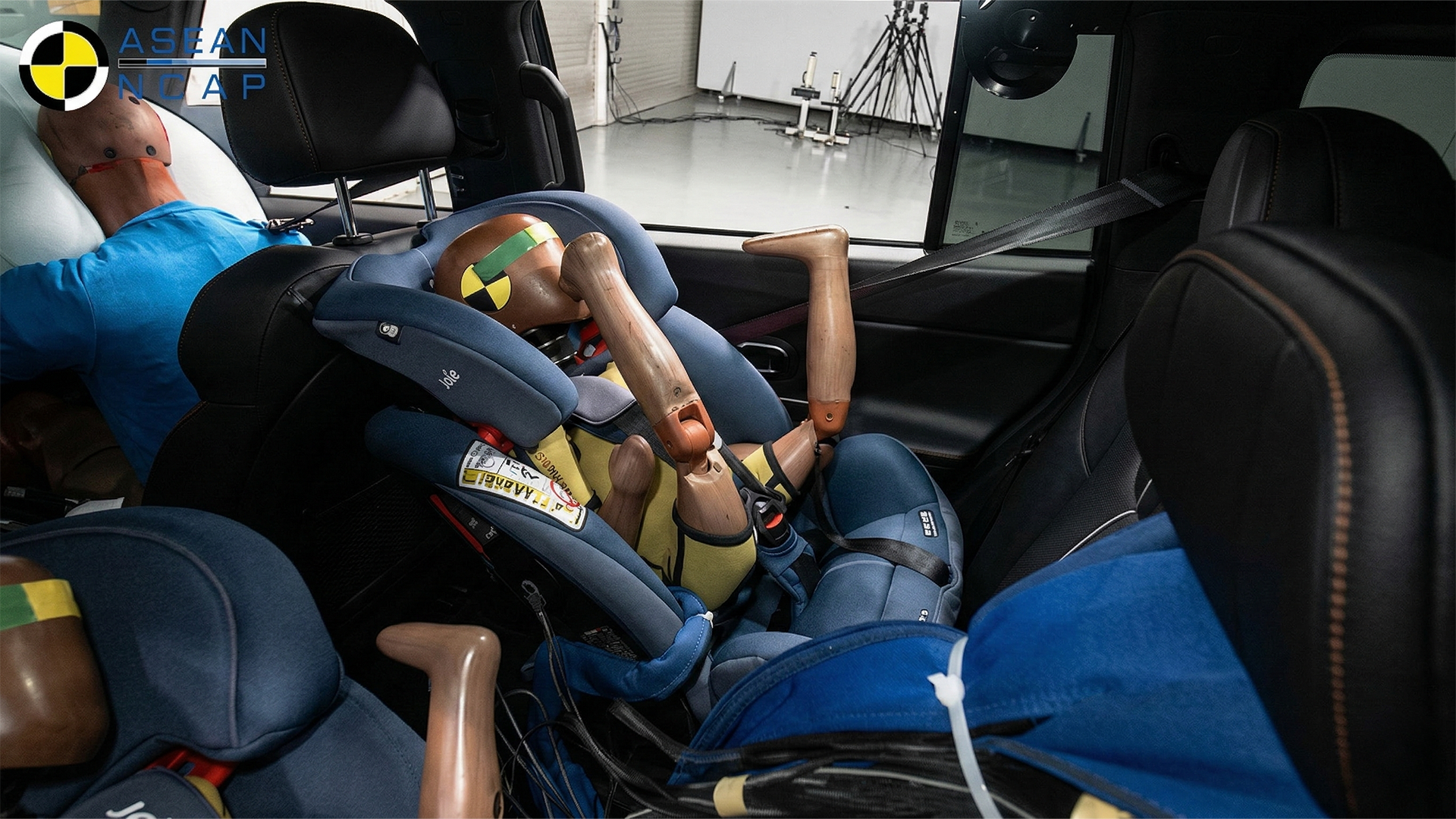
Child Occupant Protection: Incorporates local Child Restraint Systems (CRS) standards and introduces Child Presence Detection technology, alerting drivers if a child is left unattended—a move aligned with Euro NCAP’s initiatives.
Safety Assist Technology: Prioritizes Autonomous Emergency Braking (AEB), especially City and Inter-Urban variants. While AEB Pedestrian is under evaluation due to regional data concerns, the technology remains optional for manufacturers. Rear occupant detection and seatbelt reminder systems are also emphasized, with incentives for advanced safety features (SAT).
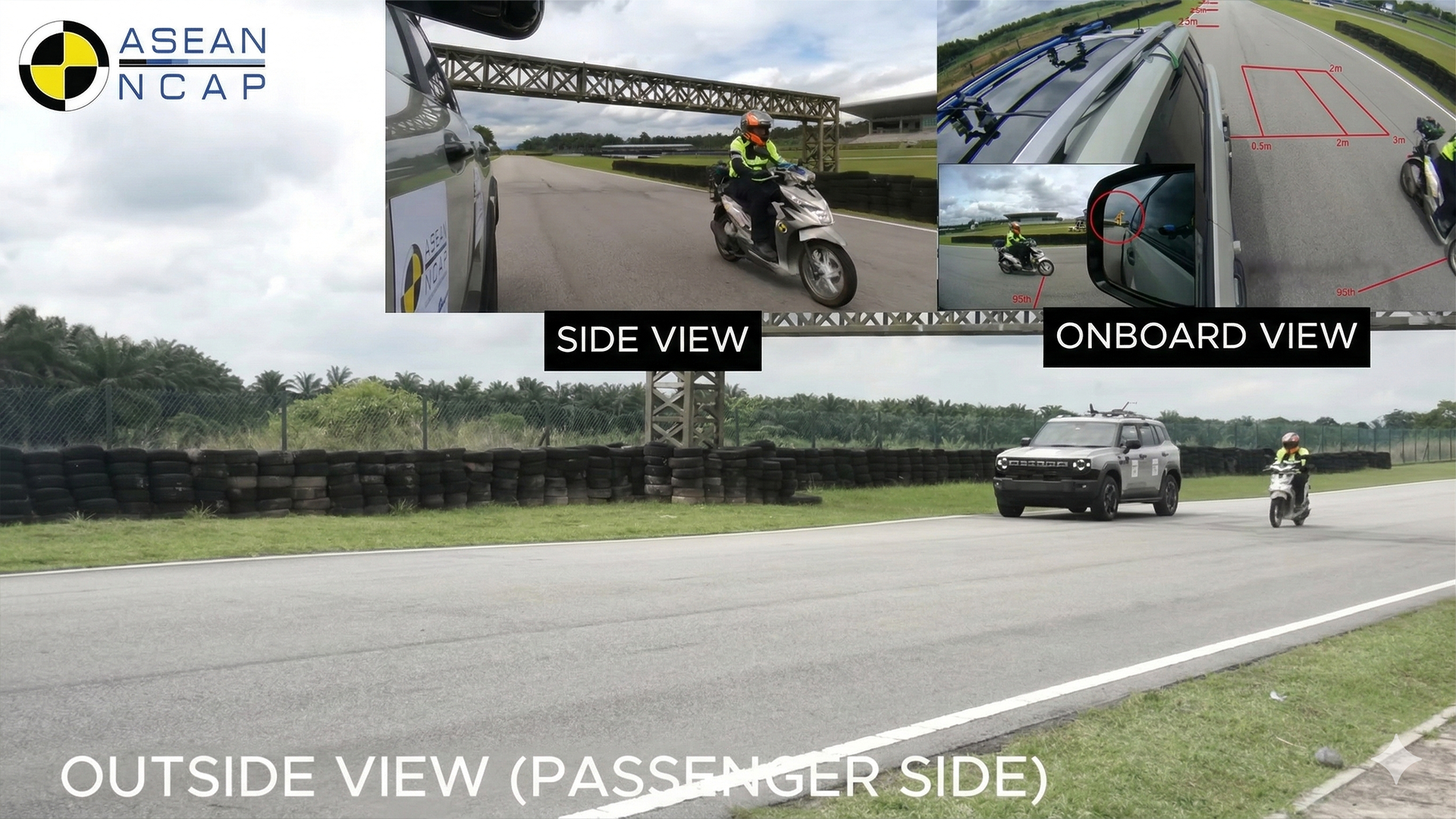
Motorcyclist Safety: Recognizes the significant role of motorcyclists, who constitute approximately 80% of regional road users. Technologies such as Blind Spot Detection (BSD), Blind Spot Visualisation (BSV), Advanced Rear Visualisation, and Auto High Beam aim to reduce collisions involving motorcyclists.
Pedestrian and Motorcyclist Protection: Continues to promote pedestrian safety through vehicle design and introduces incentives for safety technologies that protect vulnerable road users.
Enhancing Consumer Awareness
The ASEAN NCAP safety rating is designed for public consumption, providing a clear, star-based evaluation that helps consumers make informed decisions. The transition to the new assessment protocol ensures that safety standards evolve in line with regional needs and technological advancements.
About MIROS and Global NCAP
MIROS (Malaysian Institute of Road Safety Research), established in 2007, serves as Malaysia’s central authority on road safety research and policy development. It collaborates globally to improve road safety measures. Global NCAP, based in the UK, advocates for vehicle safety worldwide, fostering transparent and independent vehicle safety testing.