 Power Wheels Magazine A Notch Above

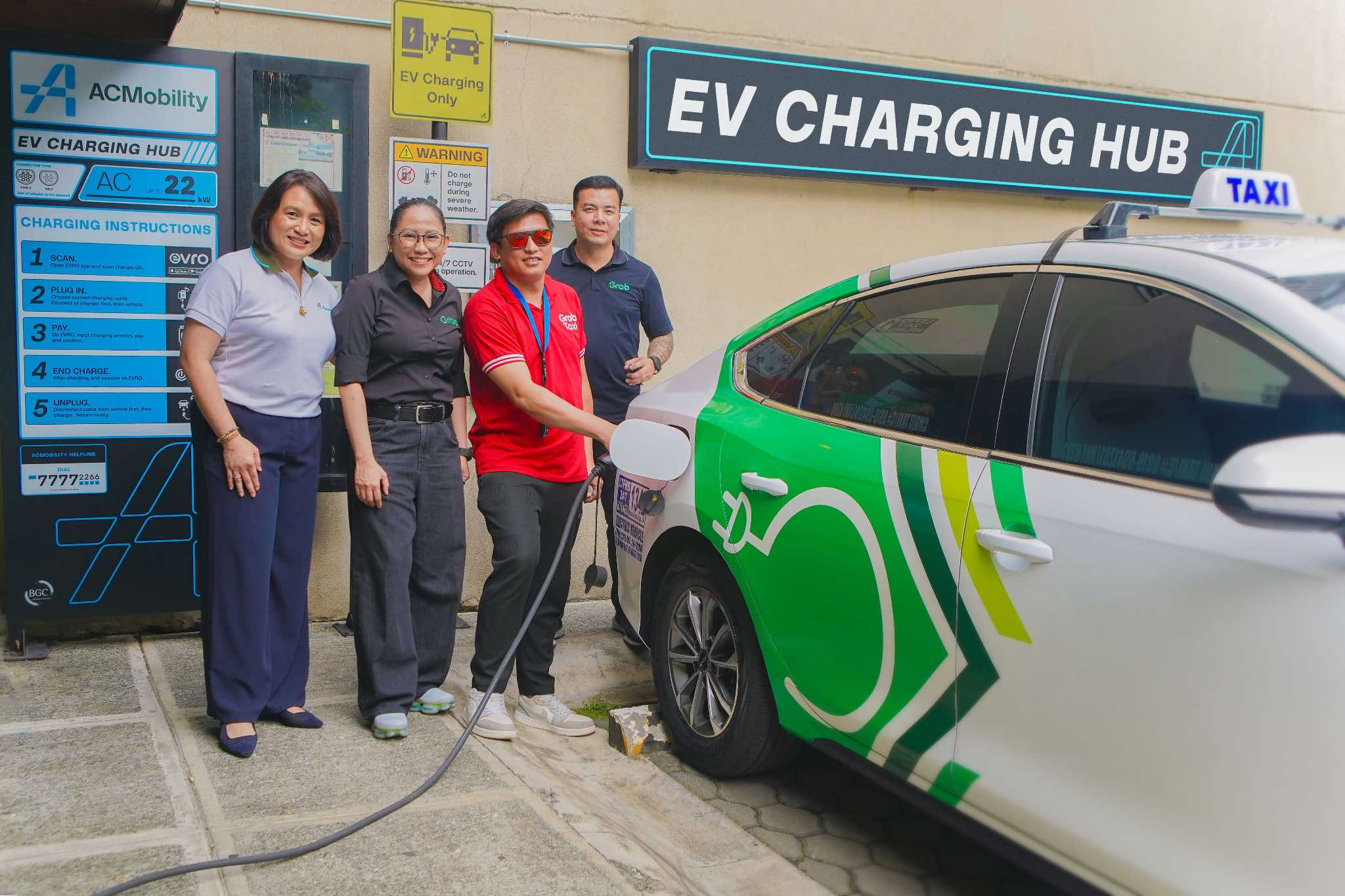
ACMobility and Grab Philippines are working together to make EV charging more accessible for TNVS and taxi drivers and operators transitioning to electric vehicles. In photo (L-R): Carla Buencamino, Head of Mobility Infrastructure at ACMobility; CJ Lacsican, Grab Financial Group Philippines Country Head; a Grab driver-partner; and Gines Barot, Grab General Manager for GrabCar and Mobility Solutions.
ACMobility, the end-to-end mobility provider of the Ayala Group and a recognized leader in the Philippines’ electric vehicle (EV) infrastructure, has announced a strategic partnership with Grab Philippines. This collaboration aims to power Grab’s expanding fleet of GrabCar Electric and GrabTaxi Electric vehicles through ACMobility’s innovative ChargeFleet platform.
The partnership leverages ChargeFleet, ACMobility’s comprehensive digital fleet management system, which enables real-time, automated management of electric vehicle credits via the Evro app. This cutting-edge technology simplifies the transition to electric mobility, offering fleet operators and drivers seamless control over charging credits and operational efficiency.
Enhancing Fleet Efficiency Around the Clock
With ChargeFleet, Grab’s partner operators and drivers can effortlessly allocate and monitor digital charging credits in real-time, eliminating the need for traditional fuel or charging cards. This streamlined process reduces administrative burdens and operational costs, while promoting more efficient fleet management.
The system also accelerates shift changes, minimizing downtime and ensuring continuous service. For instance, a driver can park their EV at a designated charging station, and by the time a new driver takes over, the vehicle is fully charged and ready to go—eliminating scheduling conflicts and idle periods. This efficiency not only optimizes vehicle utilization but also enhances driver experience.
ACMobility and Grab Philippines are committed to making EV charging more accessible for TNVS (Transport Network Vehicle Service) and taxi drivers transitioning to electric vehicles. Their joint efforts aim to support a sustainable, resilient, and cost-effective EV ecosystem for public transport.
Leadership Perspectives
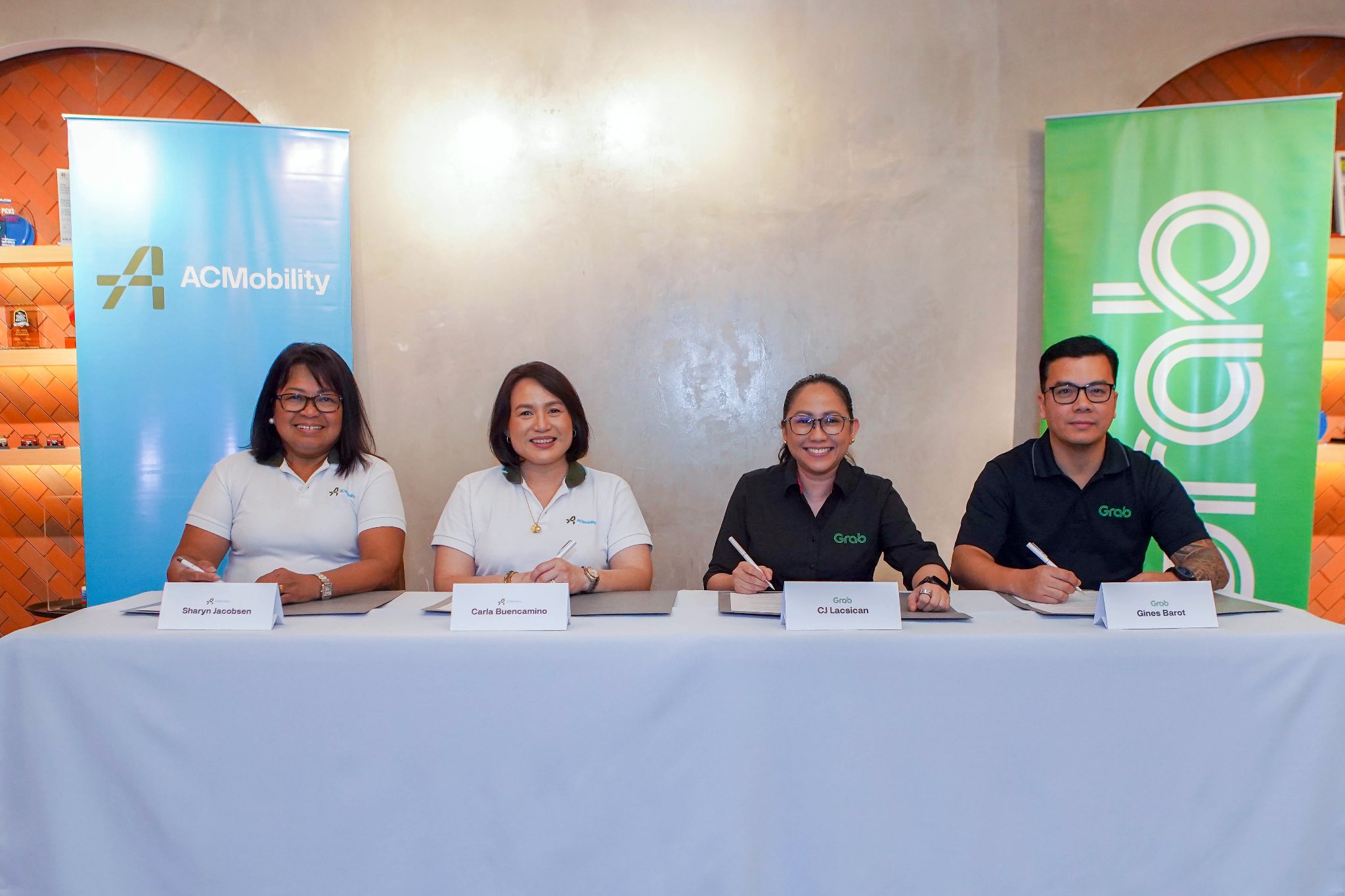
(L-R) Sharyn Jacobsen, ACMobility Chief Finance Officer; Carla Buencamino, ACMobility Head of Mobility Infrastructure; CJ Lacsican, Grab Financial Group Philippines Country Head; and Gines Barot, Grab General Manager for GrabCar and Mobility Solutions
“We are excited to partner with Grab Philippines as they expand their EV fleet to promote sustainable mobility,” said Carla Buencamino, Head of Mobility Infrastructure at ACMobility. “By harnessing our ChargeFleet platform and leveraging the Philippines’ growing EV infrastructure, we demonstrate that fleet electrification is both practical and highly efficient. Our mission is to serve as an enabler, providing comprehensive support to private and public transport sectors alike, driving a greener future for the nation.”
CJ Lacsican, Head of Grab Financial Group Philippines, added, “At Grab, electrification is more than environmental responsibility; it’s a livelihood initiative. Transitioning to EVs helps make the on-road livelihood more resilient amid volatile fuel prices. Our partnership with ACMobility and ChargeFleet is vital to creating a support system that makes EV adoption feasible for taxi and TNVS drivers by providing reliable charging solutions and reducing operating costs. This collaboration directly addresses the real-world needs of transport professionals, making EVs a viable option for sustainable earnings.”
Looking Ahead
This pilot project lays the groundwork for a broader, scalable fleet electrification program. Grab is committed to accelerating EV adoption across its ecosystem, fostering a more sustainable, efficient, and resilient public transportation network in the Philippines.